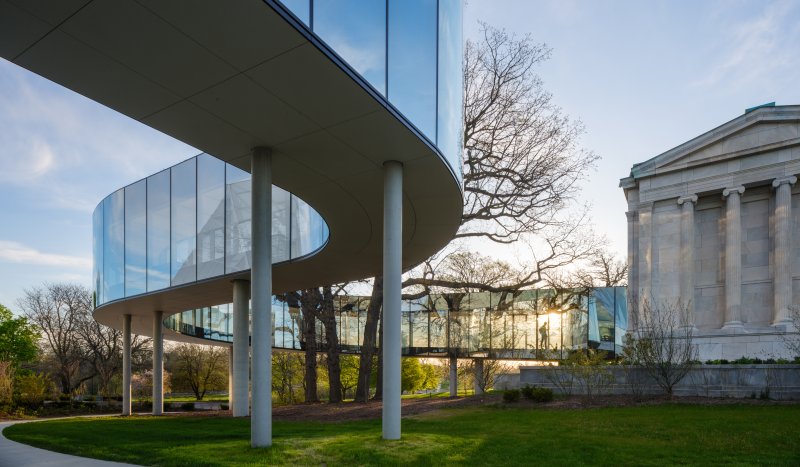
There’s time-hallowed art museum in the US that flourishes an exclamation point in it’s name. Originally established in 1862, Buffalo’s most excellent AKG! fully deserves the emphatic punctuation!
Originally known as the Albright Art Gallery — for it’s founding benefactor — with a 1962 expansion it became the Albright Knox Art Gallery — to recognize the support of the Knox family that made the addition possible. More recently, after 150+ years, the collection had grown and the systems had aged to the point that another expansion and updating were needed. The principal benefactor for that project was Jeffrey E. Gundlach, and in 2023 the museum name changed once again … becoming unwieldy and hard to remember. In a stroke of inspired re-branding, the Buffalo Albright Knox Gundlach Art Museum is now known simply as AKG!.
While we always admire 19th century neoclassical museum architecture, we’re also enchanted by much of today’s contemporary museum architecture — especially when a modern expansion design respects and complements the original building. Sadly, our reaction to the new Gundlach Building was simply, “Awful”, looming massively next to the classic form of the 1905 structure, without any apparent reference to its older sibling’s scale or features.
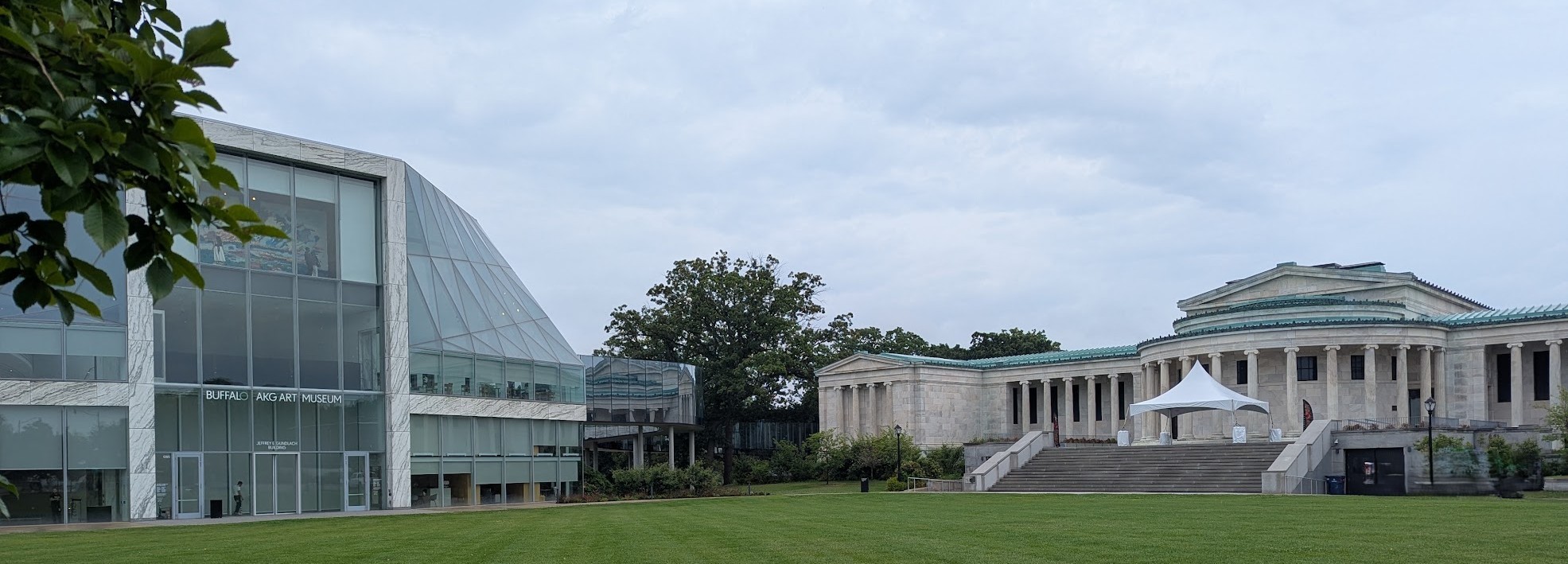
That insensitivity aside, in itself the quasi-geodesic, awkwardly multi-angular glass structure is considered by many to be an admirable architectural monument. The interior is light-filled and provides views of the surrounding neighborhood and parkland, and the curving, enclosed “Albright Bridge” connecting the two buildings is a pleasant transitional passage.
But enough of that. We were visiting AGK! for the well-regarded collection of modern and contemporary art.
The museum’s collection spans two centuries, beginning with its first acquisition, The Marina Piccola, Capri (1859), which was gifted by the artist, Albert Bierstadt (shown below). As is so often the case at museums in prosperous turn-of-the-20th-century American industrial cities, the early collection was built on Impressionist and post-Impressionist works by leading European artists — including Edgar Degas, Paul Gauguin, Claude Monet, Pierre-Auguste Renoir, and Vincent van Gogh; as well as American painters of the late-19th century — including the likes of George Inness, John Singer Sargent, Thomas Moran, and William Merritt Chase.
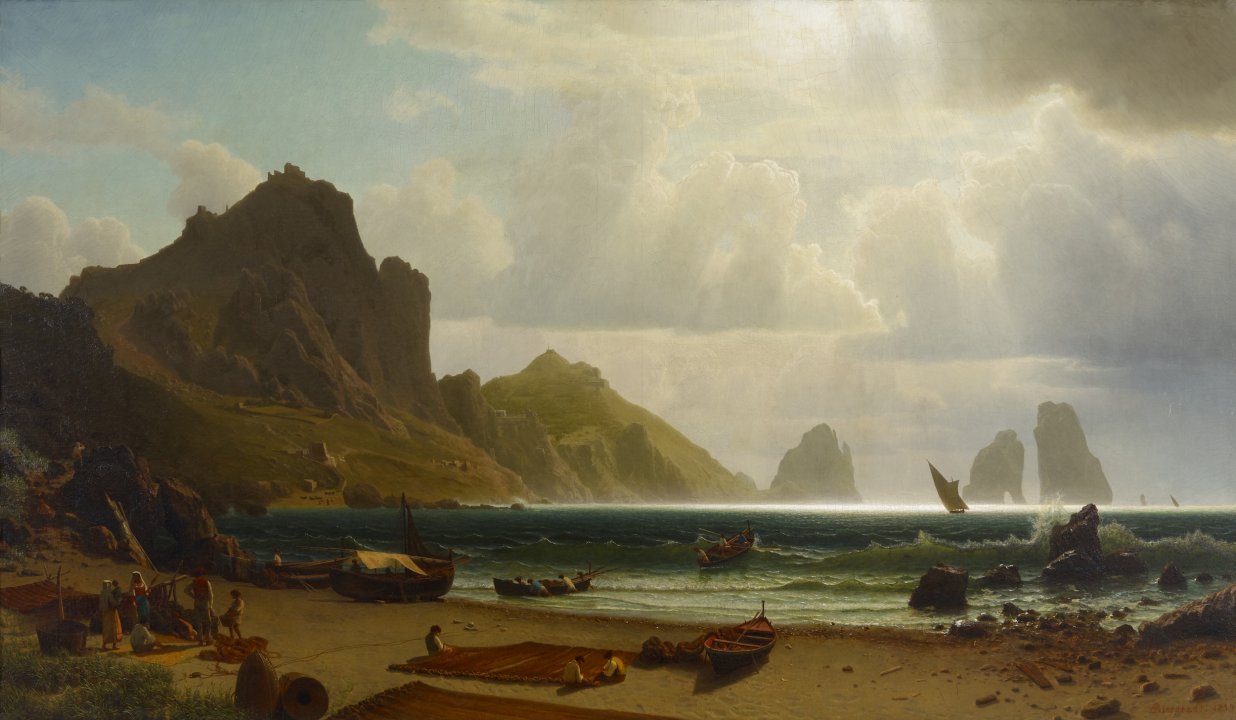
The Marina Piccola, Capri, 1859
Albert Bierstadt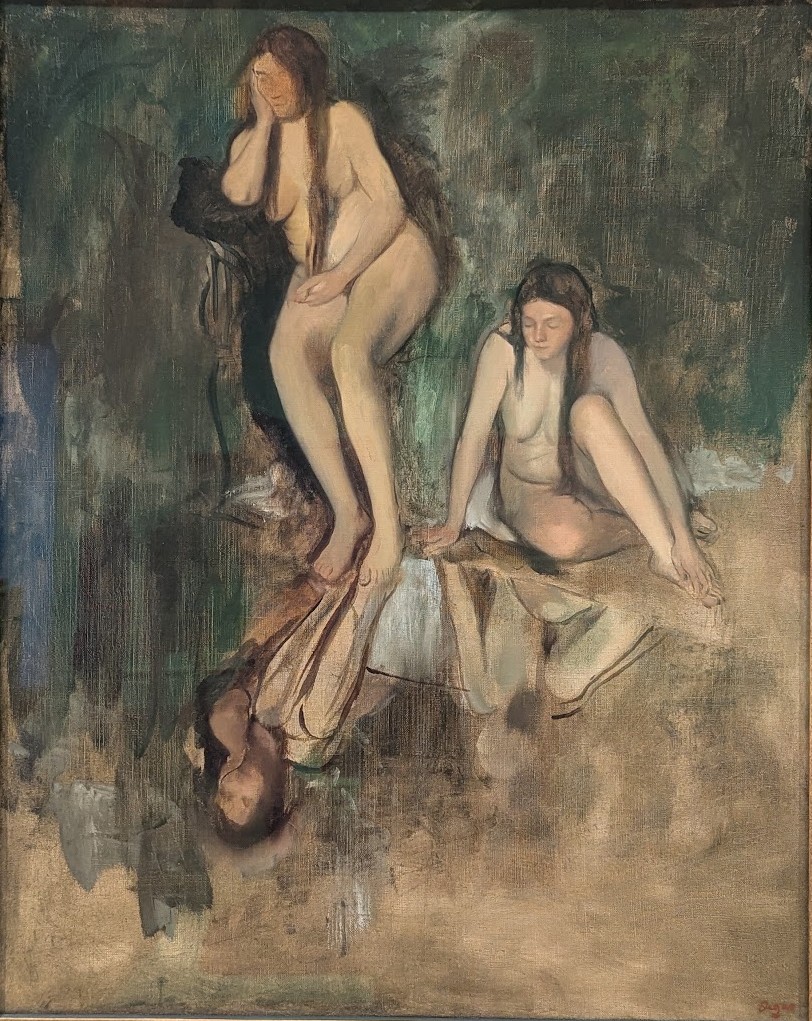
Mlle Fiocre dans le ballet “La Source” c. 1868 Edgar Degas 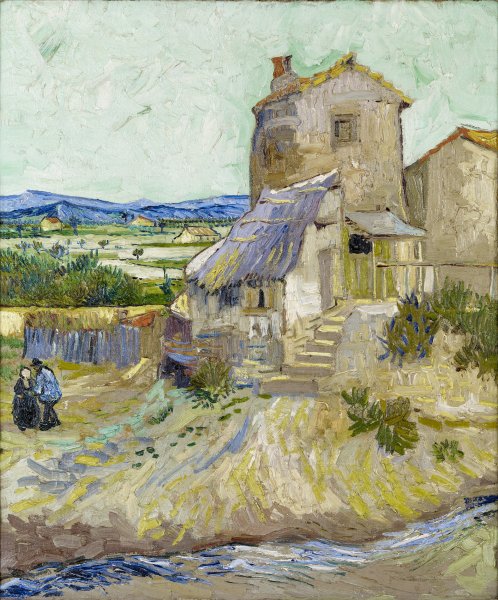
The Old Mill, 1888
Vincent Van Gogh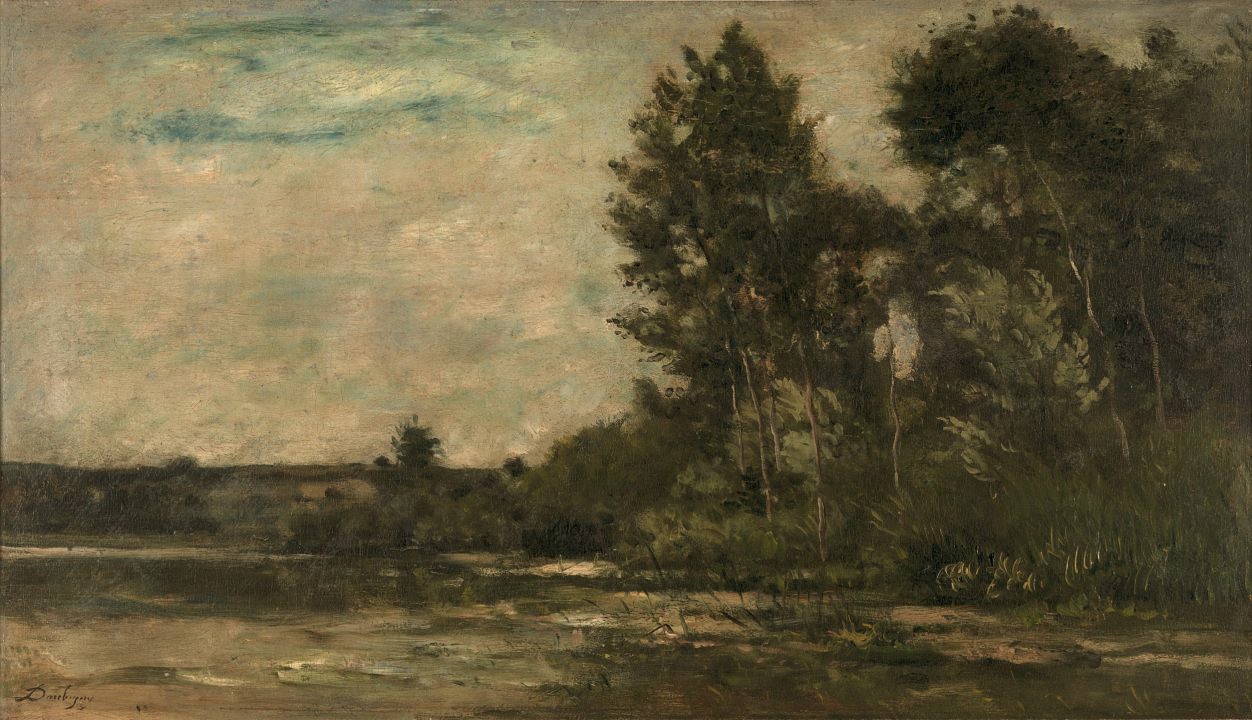
River Scene, ca.1870
Charles Francois Daubigny
The Coming Storm, 1878
George Inness
In the early years of the 20th century, the aesthetic movements of the time — such as Cubism, Surrealism, Fauvism, Constructivism — made their way into the collection, represented with work by, among others, Georges Braque, André Derain, Frida Kahlo, Henri Matisse, Joan Miró, Piet Mondrian, Georgia O’Keeffe, and Pablo Picasso.
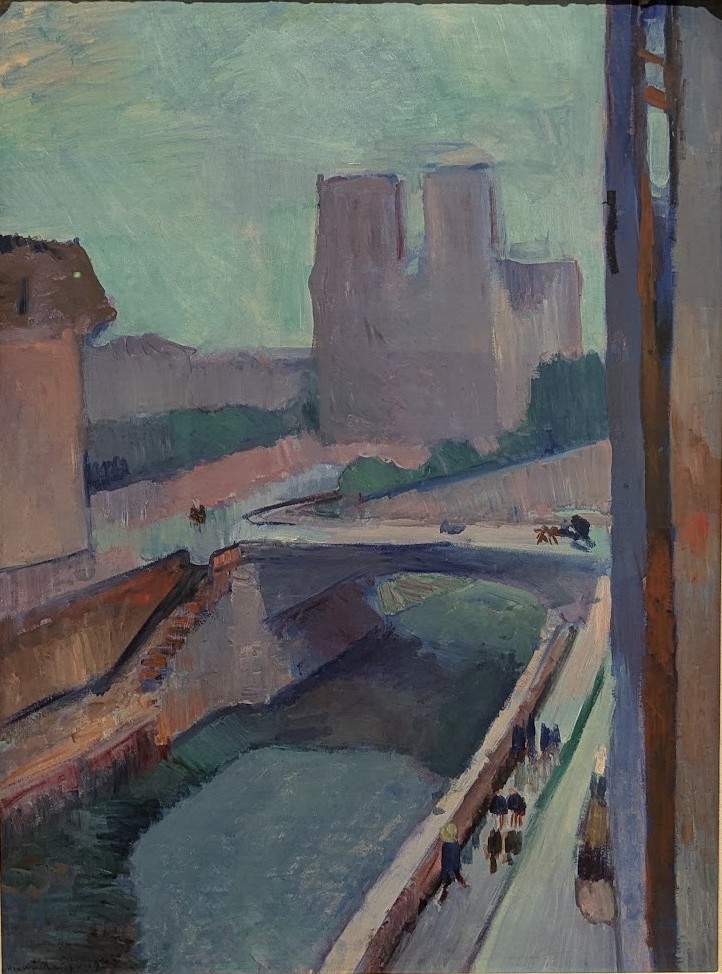
Notre Dame in the Late Afternoon, 1902
Henri Matisse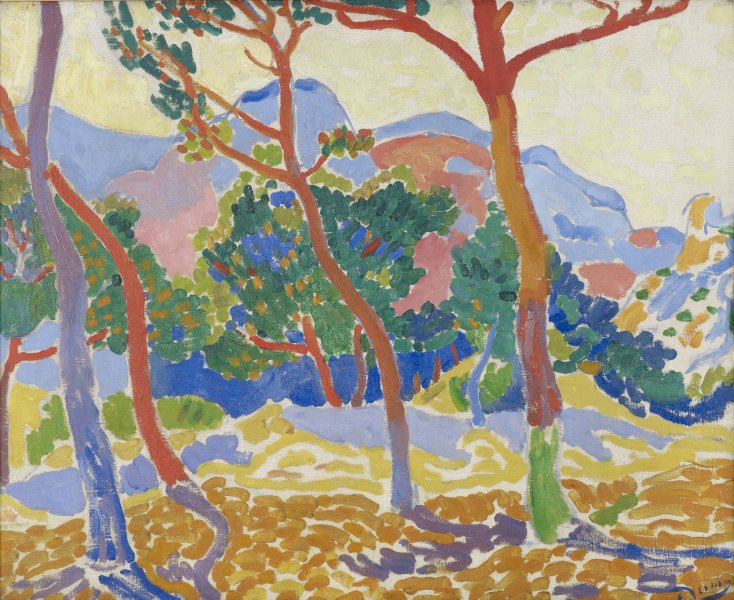
Les Arbres, ca,1906
André Derain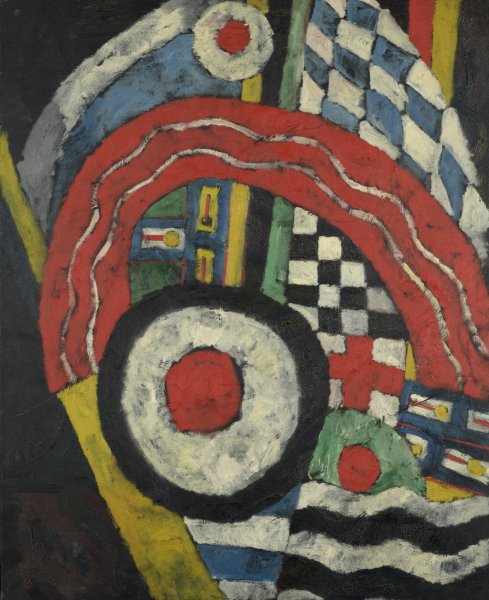
Painting No. 46, 1914-15
Marsden Hartley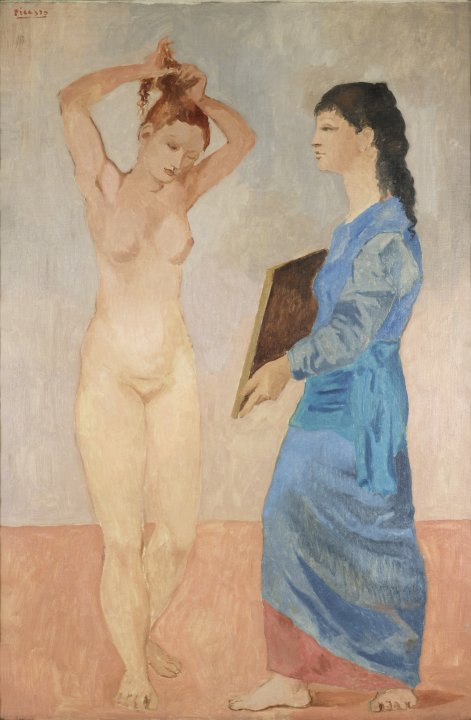
La Toilette, 1906
Pablo Picasso,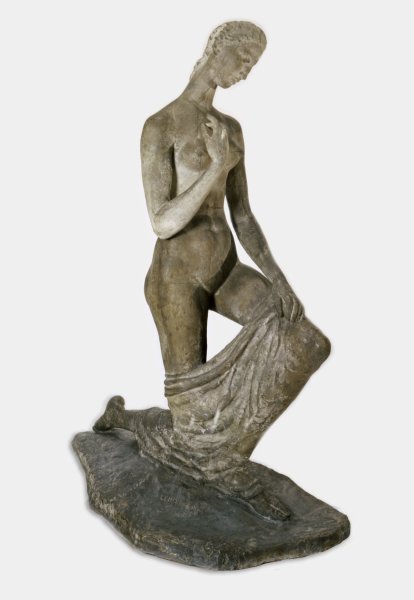
Die Knieende (Kneeling Woman), 1911
Wilhelm Lehmbruck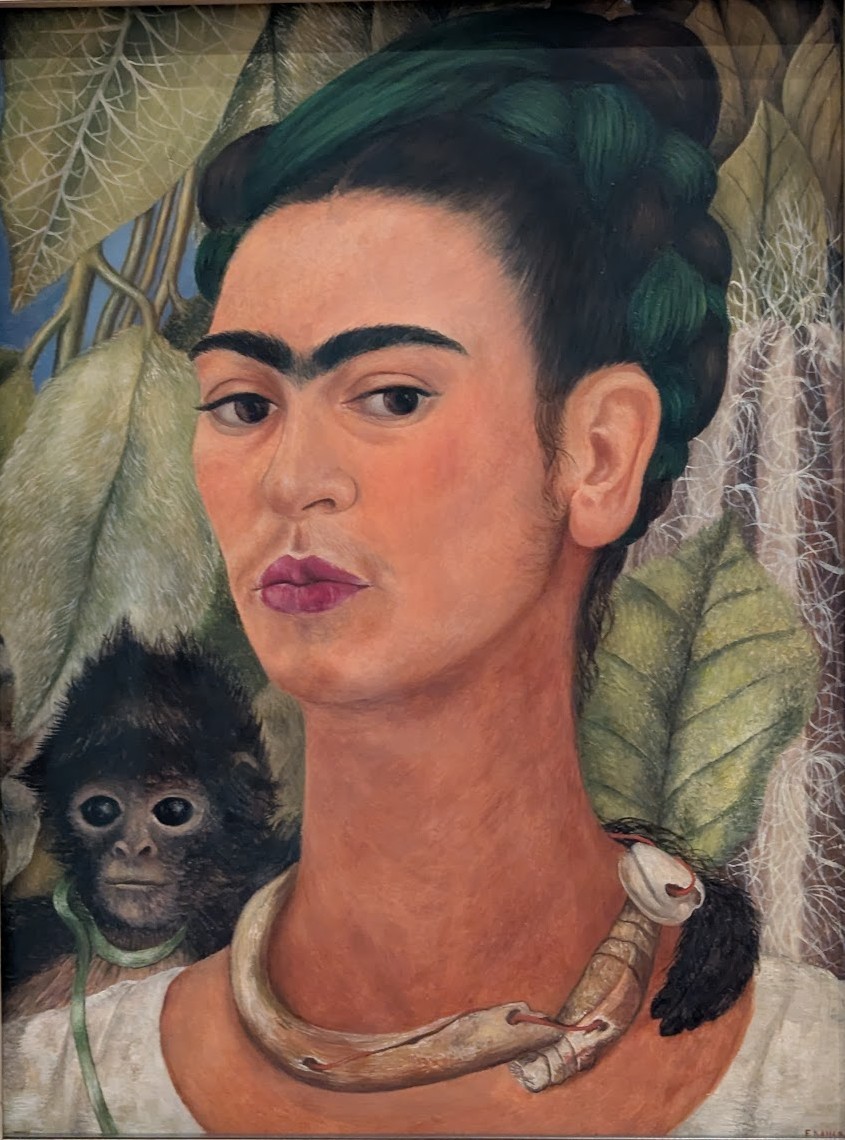
Self-Portrait with Monkey, 1938
Frida Kahlo
The collection is especially rich in postwar American and European art. Abstract Expressionism, Pop art, Op art, and art from the 1970s through the end of the 20th century include notable works from Willem de Kooning, Helen Frankenthaler, Arshile Gorky, Jasper Johns, Roy Lichtenstein, Joan Mitchell, Jackson Pollock, Bridget Riley, Robert Rauschenberg, Mark Rothko, Andy Warhol, among many others.
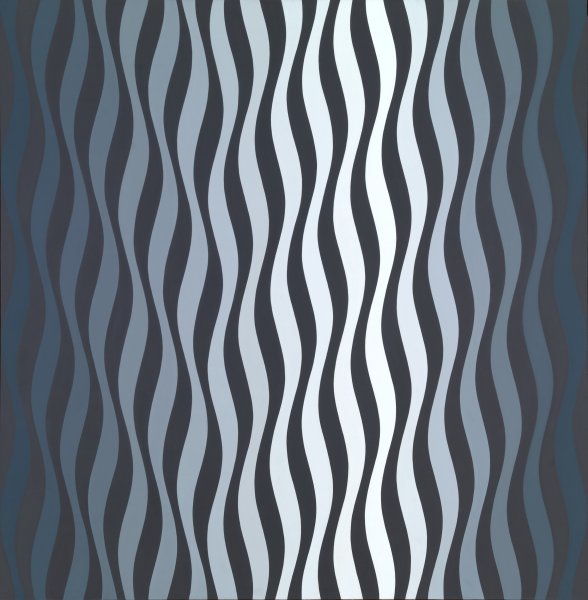
Drift 2, 1966
Bridget Riley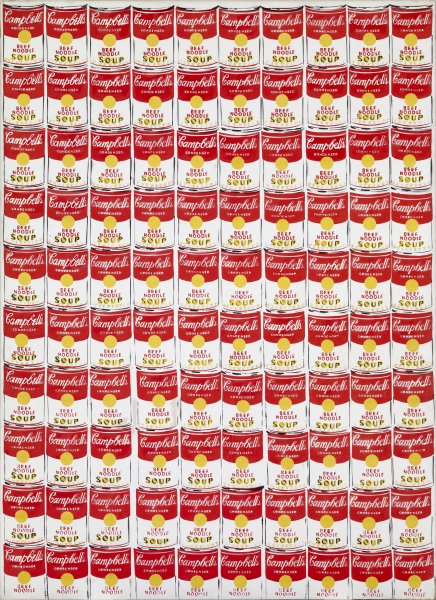
100 Cans, 1962
Andy Warhol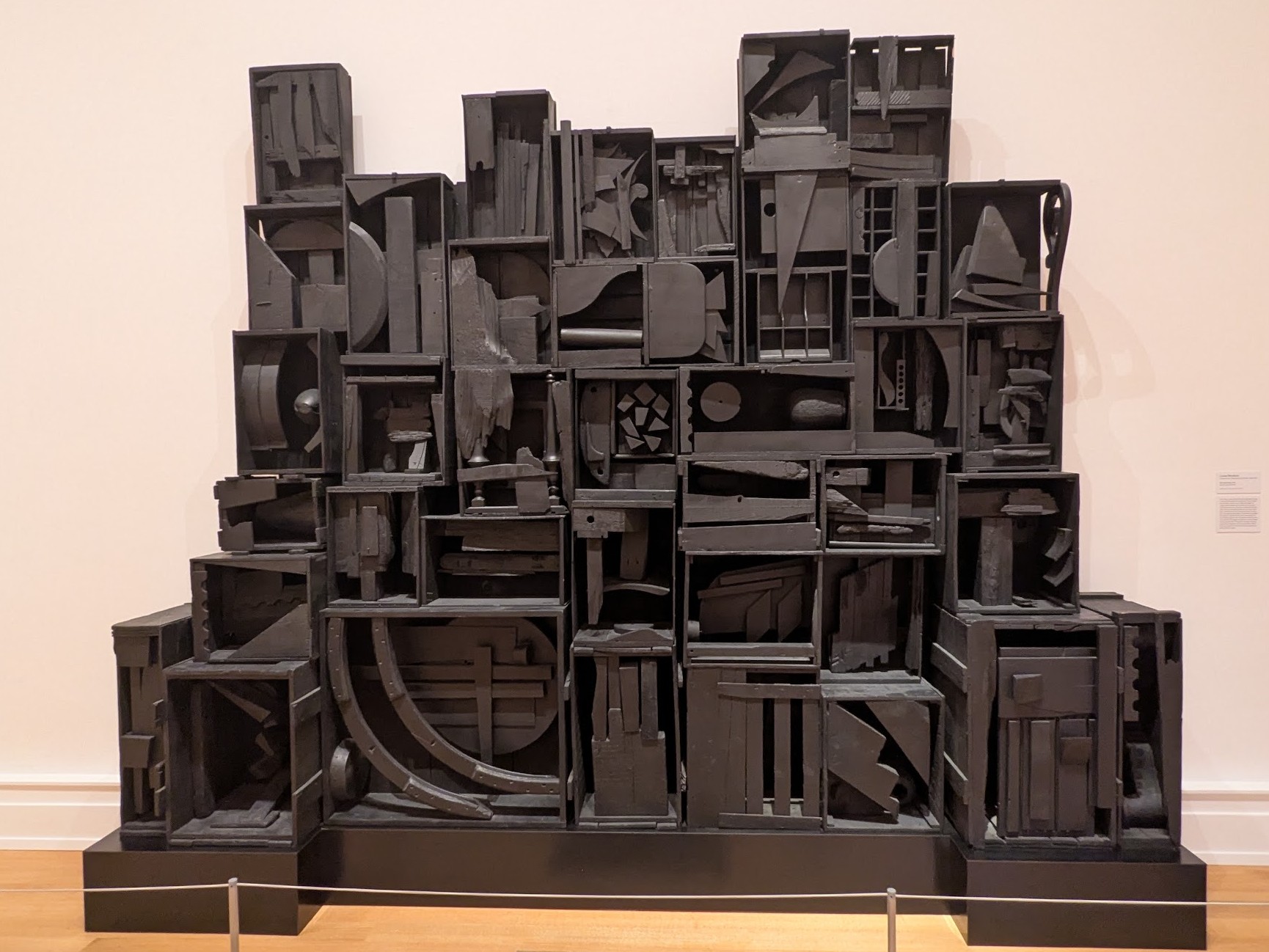
Sky Cathedral, 1958
Louise Nevelson
The AKG! holds the world’s second largest collection of works by the Abstract Expressionist painter Clyfford Still, with 33 paintings (31 of which were gifted by the artist).
It is also the world’s largest repository of the work of Marisol, who in 2016 bequeathed her estate, including more than 100 sculptures, to the museum. That piqued our interest … why would Marisol, a Venezuelan artist, leave her estate to a museum in Buffalo? It turns out, she harbored a deeply-felt loyalty to the museum for their championing of her unique Pop Art style. The Albright-Knox Gallery was the very first institution to purchase her work in the early days of her career.
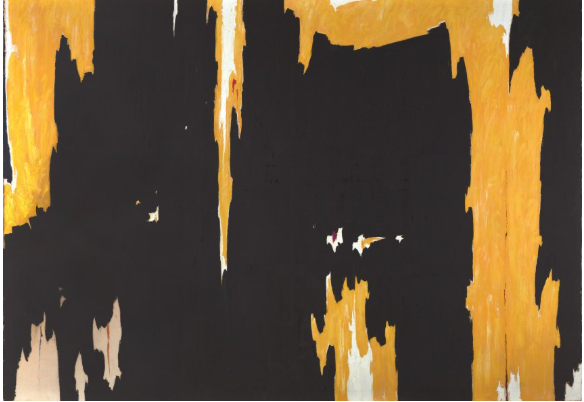
1957-D-No. 1, 1957
Clyfford Still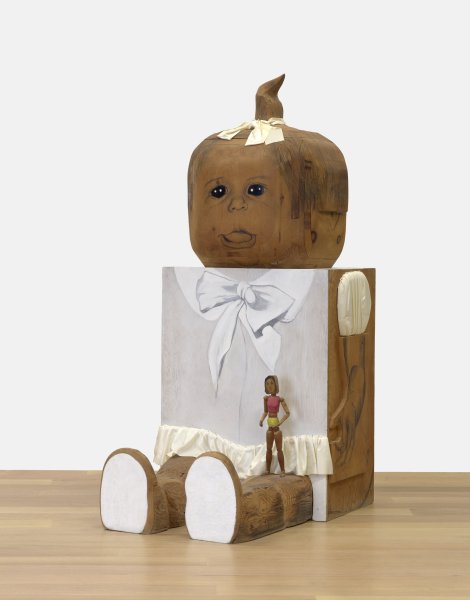
Baby Girl, 1963
Marisol
And the AKG! continues to collect. The curators seek to acquire the most important voices in the art of the 21st century. In recent years, the museum has purchased major works by artists such as David Hockney, Nick Cave, Olafur Eliasson, Theaster Gates, Anselm Kiefer, Yayoi Kusama, Cindy Sherman, Kara Walker, and many others. In other words, many of “the greats”.
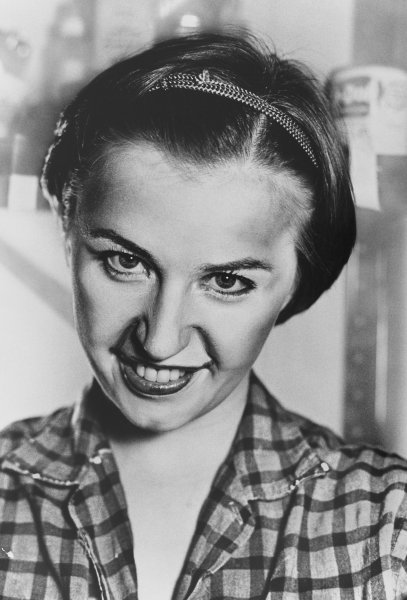
Untitled (Farmer’s Daughter), 1975
Cindy Sherman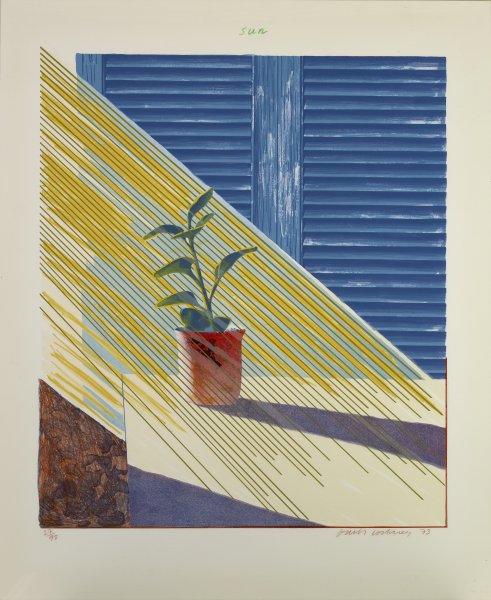
Sun from the portfolio Weather Series, 1973
David Hockney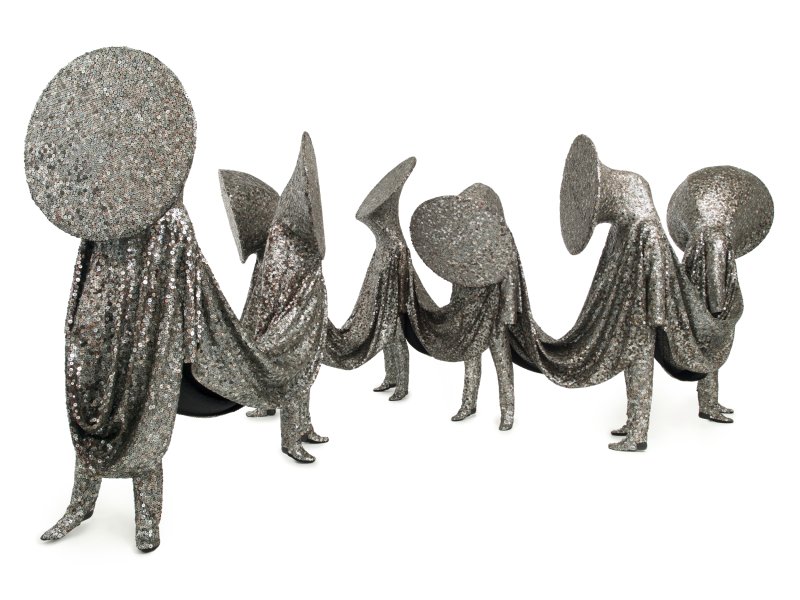
Speak Louder, 2011
Nick Cave
All told, the Buffalo AKG holdings provide a thorough exploration of the diversity of international modern and contemporary art.
Beginning in 1863, when thirteen donors pledged $500 each to the Picture Fund to establish the institution’s commitment to collecting, the Buffalo AKG Art Museum has built a worthy collection through both gifts and acquisition.
By way of example, over the course of four decades, Conger Goodyear gifted nearly 300 paintings, sculptures, drawings and prints to the museum. Another major donation came from Frederic P. Norton who gifted 587 works-on-paper, including two major portfolios by Odilon Redon and Georges Rouault. This sort of ongoing beneficence has assured Buffalo AGK Art Museum’s position as a leading art institution in the American landscape.
We highly recommend a visit!
Hmmm … maybe it’s time to plan a little trip …
Buffalo AKG Art Museum
1285 Elmwood Ave, Buffalo, NY
716-882-8700
Header image: Albright Bridge, connecting the Gundlach Building to the Wilmers Building. Photo from the AKG! website.
Art Things Considered is an art and travel blog for art geeks, brought to you by ArtGeek.art — the only search engine that makes it easy to discover 1800 art museums, historic houses & artist studios, and sculpture & botanical gardens across the US.
Just go to ArtGeek.art and enter the name of a city or state to see a comprehensive interactive listing of museums in the area. All in one place: descriptions, locations and links.
Use ArtGeek to plan trips and to discover hidden gem museums wherever you are or wherever you go in the US. It’s free, and it’s easy and fun to use!
© Arts Advantage Publishing, 2026